 San Diego DUI Lawyers Blog





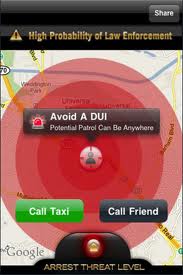 The Attorney General of Maryland and Delaware are asking Google and Apple to discontinue applications for their mobile phones, the Android and iPhone respectfully, that show the location of DUI checkpoints, according to wmal.com.
Blackberry pulled its drunk driving checkpoint location application, PhantomALERT; however, many apps are still available through Google and Apple for a small fee, such as Checkpointer, Buzzed, and Checkpoint Wingman, (which also offers a free version).
There is nothing illegal about publishing this information. In fact, Ingersoll v. Palmer provided the criteria for law enforcement to follow to ensure the constitutionality of a DUI checkpoint. One such requirement was advanced publicity. People v. Banks has since stated that advanced publicity is not a requirement but one factor to be considered along with the other seven criteria. Therefore, these apps can actually assist law enforcement by providing such public notice.
It should also be noted that it is not illegal to avoid a roadblock. Law enforcement cannot lawfully stop a driver for going around a checkpoint as long as the driver is not doing anything unlawful or showing obvious signs of impairment.

 A La Jolla Boulevard accident, that occurred in August 2010, is being blamed on marijuana intoxication, according to
  Felony drunk driving charges for a motorcycle rider who allegedly crashed into a bicycle just after midnight on March 20th, according to 10news.com. The accident happened at the 2000 block of 31st Street in San Diego; however, the motorcycle driver was arrested at his home after leaving his passenger at the scene.
 San Diego law enforcement was out looking for drunk drivers during the St. Paddy’s holiday and for all the personnel and money expended for the roadblocks, the DUI arrests were very low.
 Ignition interlock devices, or IID’s, were found to prevent repeat DUI offenders, according to the